

Best Treatments for Hair and Scalp Health
Stronger Hair Starts at the Root
A biology-driven approach to hair regeneration
Hair thinning and scalp imbalance are rarely isolated problems. They reflect changes in follicular biology, microcirculation, inflammatory signaling, and tissue support within the scalp. Stress, aging, hormonal shifts and metabolic factors all influence the hair growth cycle and the health of the follicular environment.
At SkinMed Solutions, we approach hair and scalp health as a biological and regenerative process, not a cosmetic concern. Our focus is to support follicle activity, scalp microenvironment and cellular communication, using evidence-based hair treatments – non-invasive and minimally invasive.
A biology-driven approach to hair regeneration
Healthy hair growth depends on:
- Adequate blood supply and oxygenation
- Balanced inflammatory signaling around the follicle
- Active follicular stem cells
- A supportive extracellular matrix in the scalp
When these conditions are compromised, hair growth slows, shedding increases, graying hair speeds up, and hair quality declines.
Our treatments aim to restore biological readiness of the scalp, creating conditions where hair follicles can function more optimally over time.
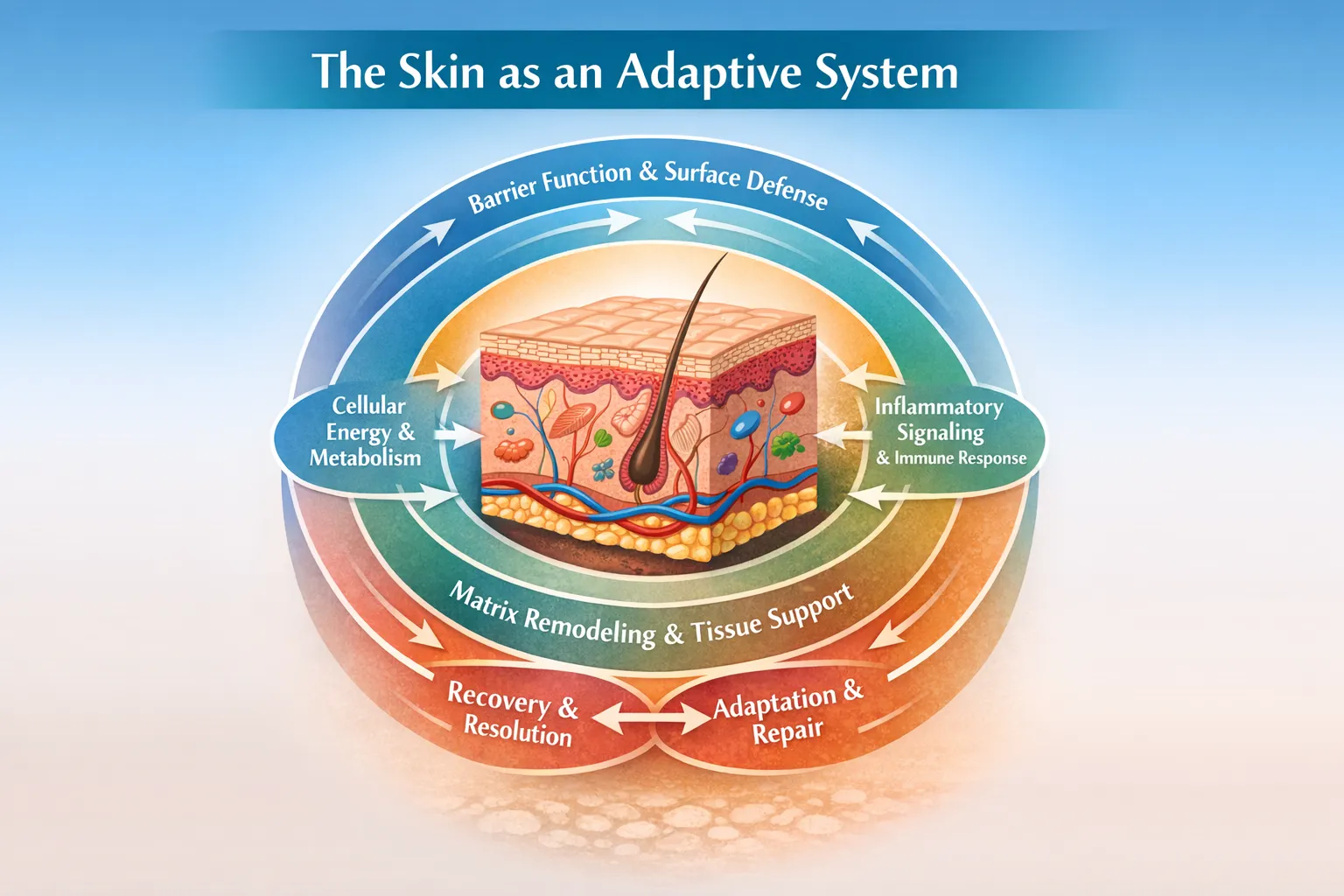
From Intervention to Strategy: A Biological Framework for Sustainable Aesthetic Outcomes
Aesthetic medicine has advanced rapidly over the past decade. Aestheic technologies have become more refined, treatment options more numerous, and expectations – both clinical and patient-driven
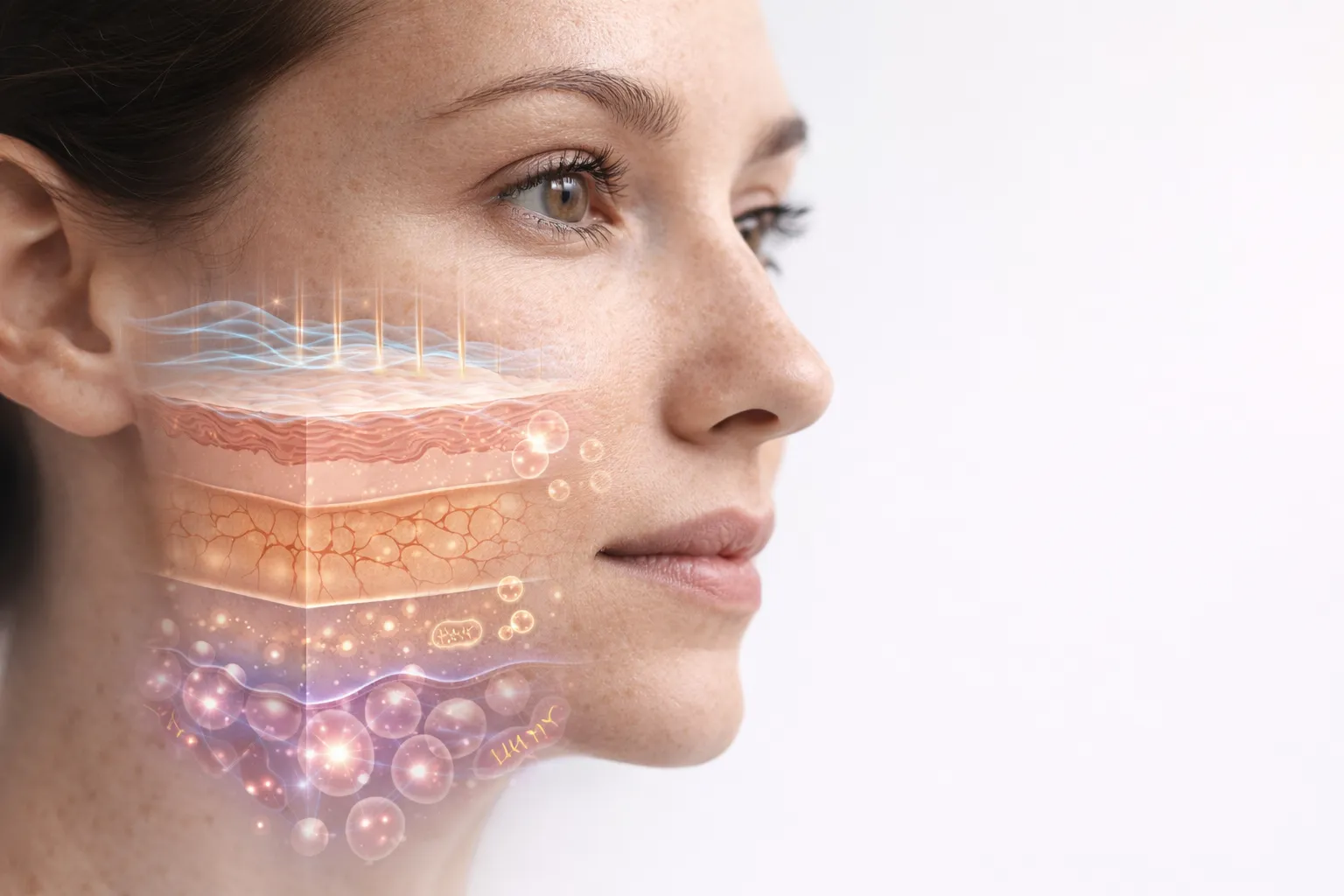
Why Combination Treatments Work – and Why They Fail
Combination treatments are often positioned as the natural evolution of aesthetic medicine. Skin is complex, so addressing it from multiple angles seems both logical and necessary. In theory, combining modalities should enhance outcomes
Technologies Commonly Used
Hair and scalp health are governed by complex biological processes involving follicular activity, microcirculation, inflammatory signaling, hormones such as dihydrotestosterone (DHT) and the surrounding tissue environment. When technologies are correctly designed, clinically validated and applied with biological intent, they allow us to support these processes rather than override them.
At SkinMed Solutions and InnoDerma Institute, this includes a combination of light-based, mechanical and bioregenerative technologies selected for their ability to support follicle biology, scalp microenvironment and long-term tissue behaviour. Each technology is evaluated not only on visible outcomes, but on tolerance, repeatability and its influence on sustained hair and scalp health.
Below, you will find our evidence-based technologies frequently used as part of structured hair treatment protocols.
These technologies are used daily at our research clinic, InnoDerma Institute, and include:
Home-Based & In-clinic LED Light Therapy
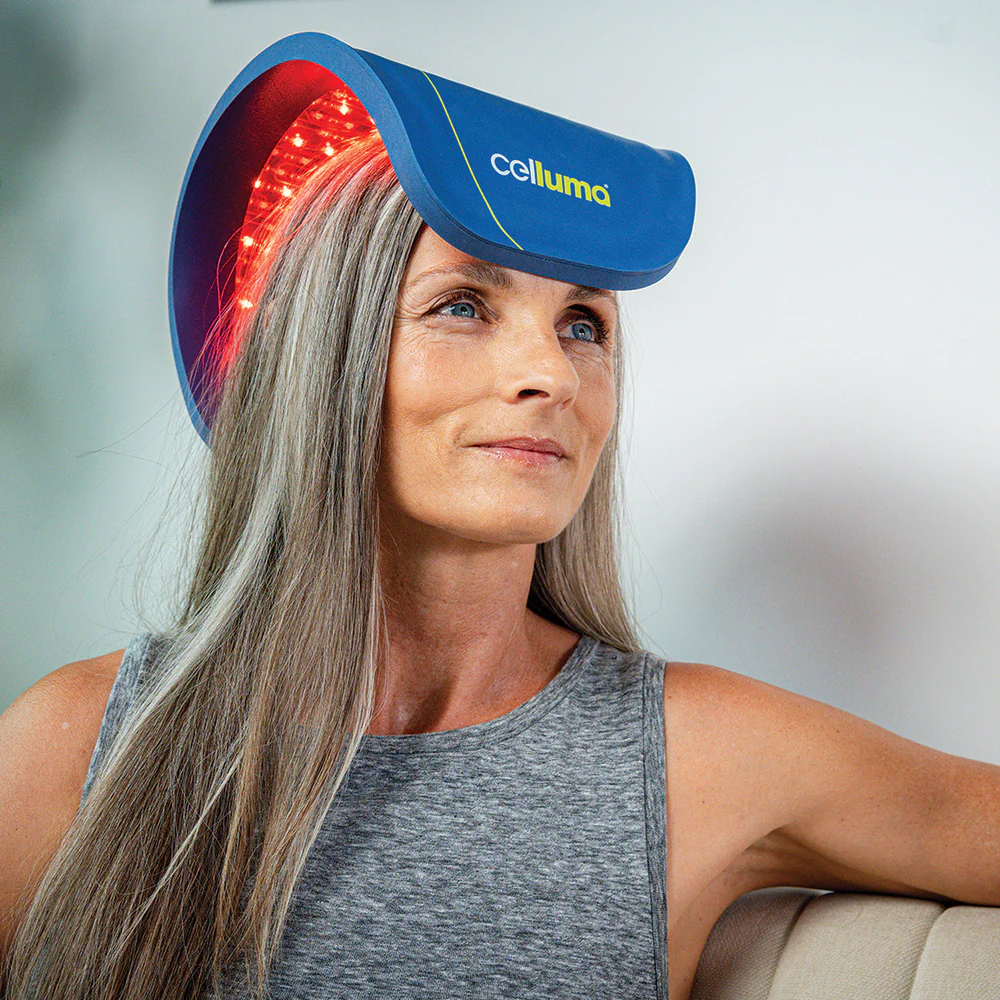
CELLUMA Hairloss LED Therapy
Celluma Advanced LED Therapy is designed for both in-clinic and home-based use, allowing continuity of care in inflammatory and sensitive skin conditions. It is medical approved for Acne, Aging, Wound healing, Hairloss, Body contouring and Pain management
Low-level light therapy specifically designed for Hair Restoration available in certain of the Celluma Models can support mitochondrial activity, microcirculation and cellular signaling in the scalp.
Celluma is frequently used to improve scalp environment and follicle activity, either as a standalone intervention or as part of structured combination protocols.
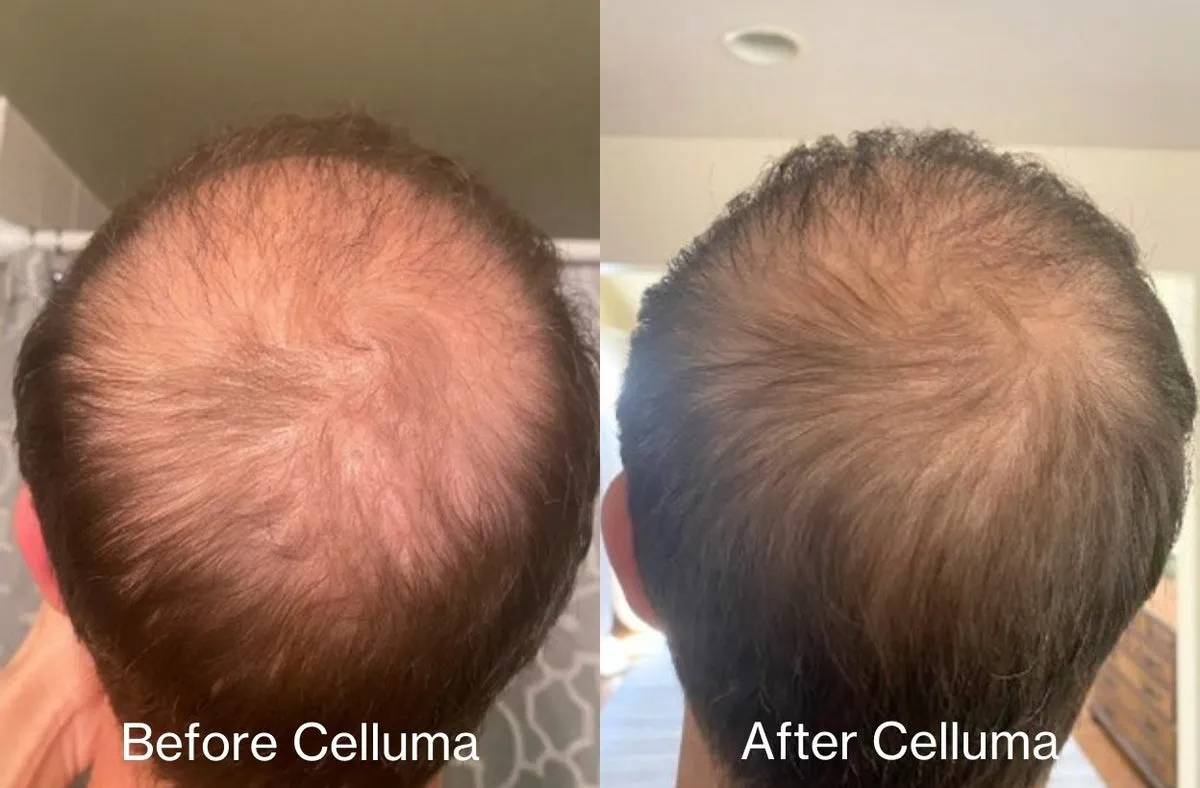
Used for:
- Reduce hair loss
- Stimulating hair follice growth
- Prolongs hair growth cycle
- Increase hair volume
Whom Performs Celluma Hairloss Therapy?
Celluma Hair Loss Therapy is available in select clinics, where you can also have your hair situation evaluated for other therapies. However, Celluma is also available as an in-home therapy
Request information about clinics here
Supportive Serums
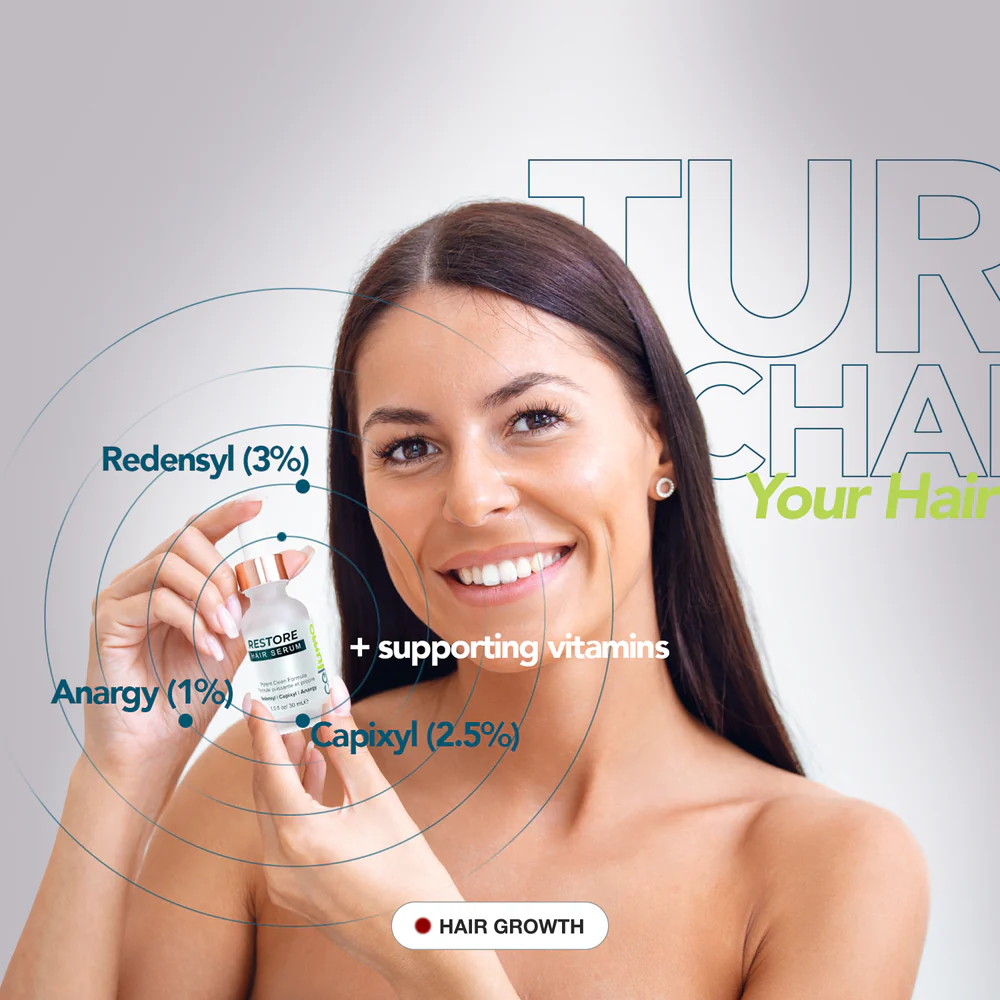
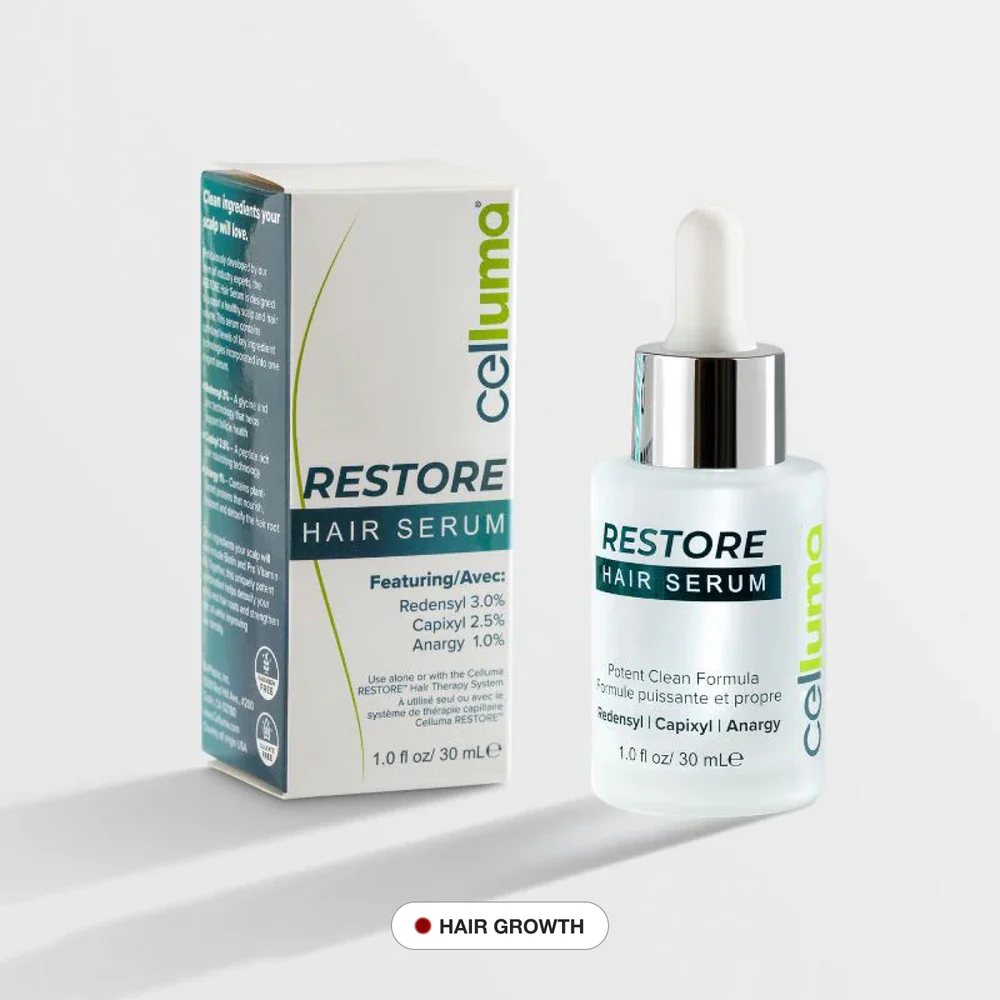
RESTORE HAIR SERUM
Supporting the scalp and follicular microenvironment
Topical hair serums play a supportive but important role in hair and scalp health when they are biologically aligned with follicular physiology. The Celluma Restore Hair Serum is designed to support the scalp environment and hair follicle function through targeted, non-hormonal ingredients that work in synergy with regenerative treatments.
Rather than acting as a stimulant or cosmetic camouflage, the serum is intended to support cellular activity, scalp balance and follicular conditions that are necessary for healthy hair growth over time.
Best Practice
- At InnoDerma Institute, the Celluma Restore Hair Serum is typically integrated as part of a structured hair and scalp protocol, often used in combination with Celluma Light Therapy for Hairloss and as a supplement to Microneedling or regenerative treatments
For home and professional treatment
Celluma Restore Hair Serum is available for both professional use and for home use – it does not require the combined use with Celluma Restore Light Therapy, though we highly recommend it.
Request information about clinics here
Mechanical Skin Stimulation
DermaPen with Hairspecific Exo-Grow Exosomes
DermaPen microneedling, when applied to the scalp, provides controlled mechanical stimulation that can activate repair pathways and improve tissue responsiveness around the hair follicle. In hair and scalp indications, the purpose is not skin resurfacing, but modulation of the follicular microenvironment and enhancement of biological signaling.
When combined with hair-specific exosomes, Exo-Grow, this approach supports cell-to-cell communication and regenerative signaling within the scalp. Exosomes act as biological messengers, carrying signaling molecules that may influence follicular activity, stem cell behaviour and inflammatory balance, without acting as drugs or growth factors.
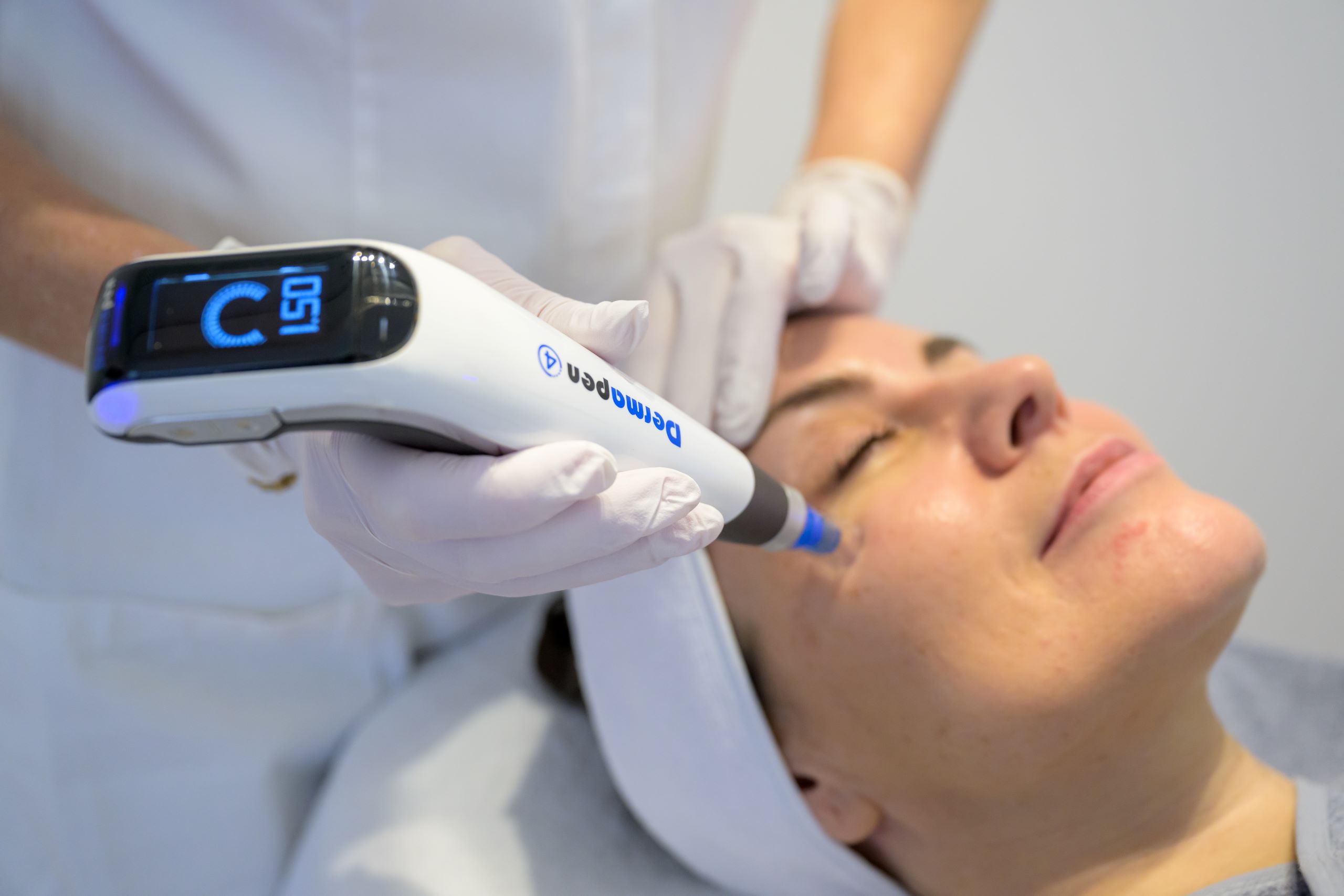

These are widely used at InnoDerma Institute and provided by MM SkinCare
Used For:
- Strenghtening and reactivation of the scalp and hair follicles
- Redensification of the hair structure
Whom DermaPen with ExoGrow Exosomes
Use of DermaPen requires specialized training – we can support you with both assessment at InnoDerma Institute, as well as education in the use of DermaPen for professional use.
It is available in select clinics.
BioRegenerative Injectables
CELLBOOSTER HAIR
Cellbooster HAIR is designed to support scalp hydration, tissue quality and follicular surroundings through bioregenerative injectable therapy.
Rather than acting as a filler or growth stimulant, it aims to improve the biological environment around the hair follicle, supporting healthier hair growth conditions over time.
Cellbooster HAIR is used for reactivation of resting hair follicles where light therapy or other therapies are not considering to be strong enough

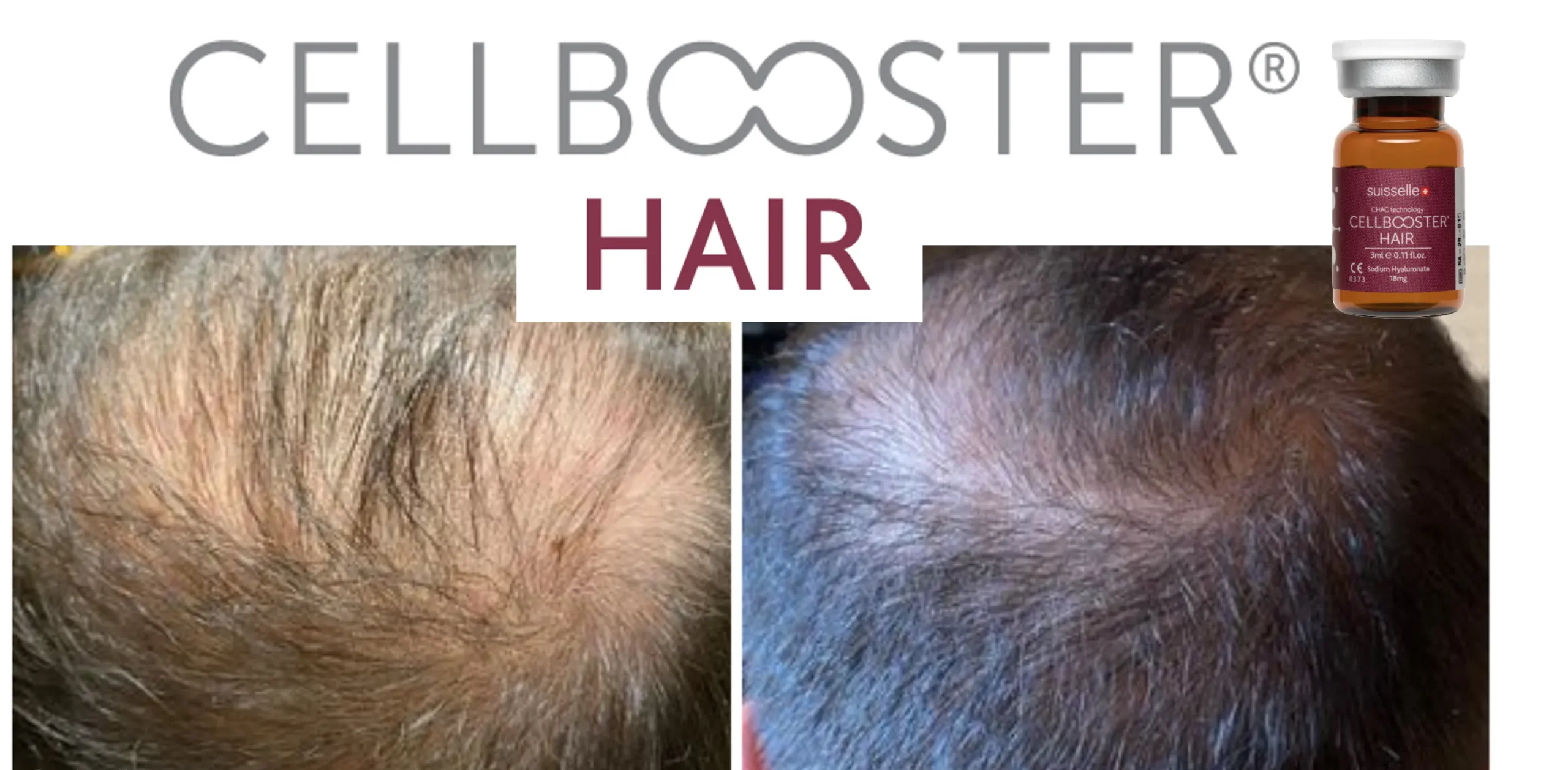
Cellbooster HAIR is Indicated for:
- Treatment of non cicatricial alopecia
- Alopecia areata
- Androgenic alopecia
- Premature graying
- Seborrhea
Whom perform Cellbooster Hair?
Only select clinics with the adequate training performs advanced hair treatments with Cellbooster HAIR.
Why combination matters when selecting the best treatments
for Hair Loss
A structured approach, not isolated treatments
Hair and scalp regeneration is a gradual process. Results depend not only on the choice of technology, but on how treatments are combined, sequenced and repeated.
At InnoDerma Institute, hair and scalp protocols are typically structured to:
– Prepare and stabilise the scalp
– Activate follicular biology
– Maintain results through supportive care
Continuity and biological respect are essential – intensity alone does not drive sustainable outcomes.
Elevating Clinics with Expert Care
For clinics and professionals
We work with the above treatments on a daily basis at InnoDerma Institute, but also provide expert-level education and treatments to professional clinics in the Nordics and Switzerland
Evidence Based Medical Approved Treatments
We work with a number of medical approved treatments for hair loss, seborrehic dermatitis and support of hair growth
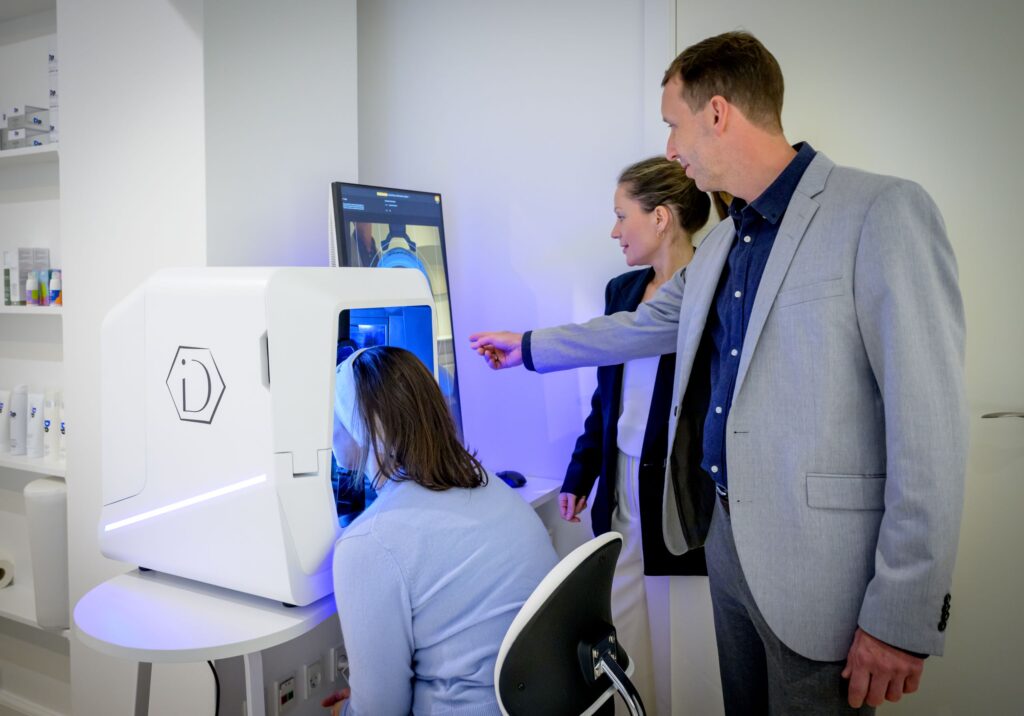
Skin Analysis for Optimal Patient Care
It is not only about the technologies – it is about seeing the full patient
Expert-led Consultations & Educations
Whether you are a clinic wanting to provide the highest quality treatments or a patient wanting to understand how to take care of your skin – we are here
Take the next step
Experience
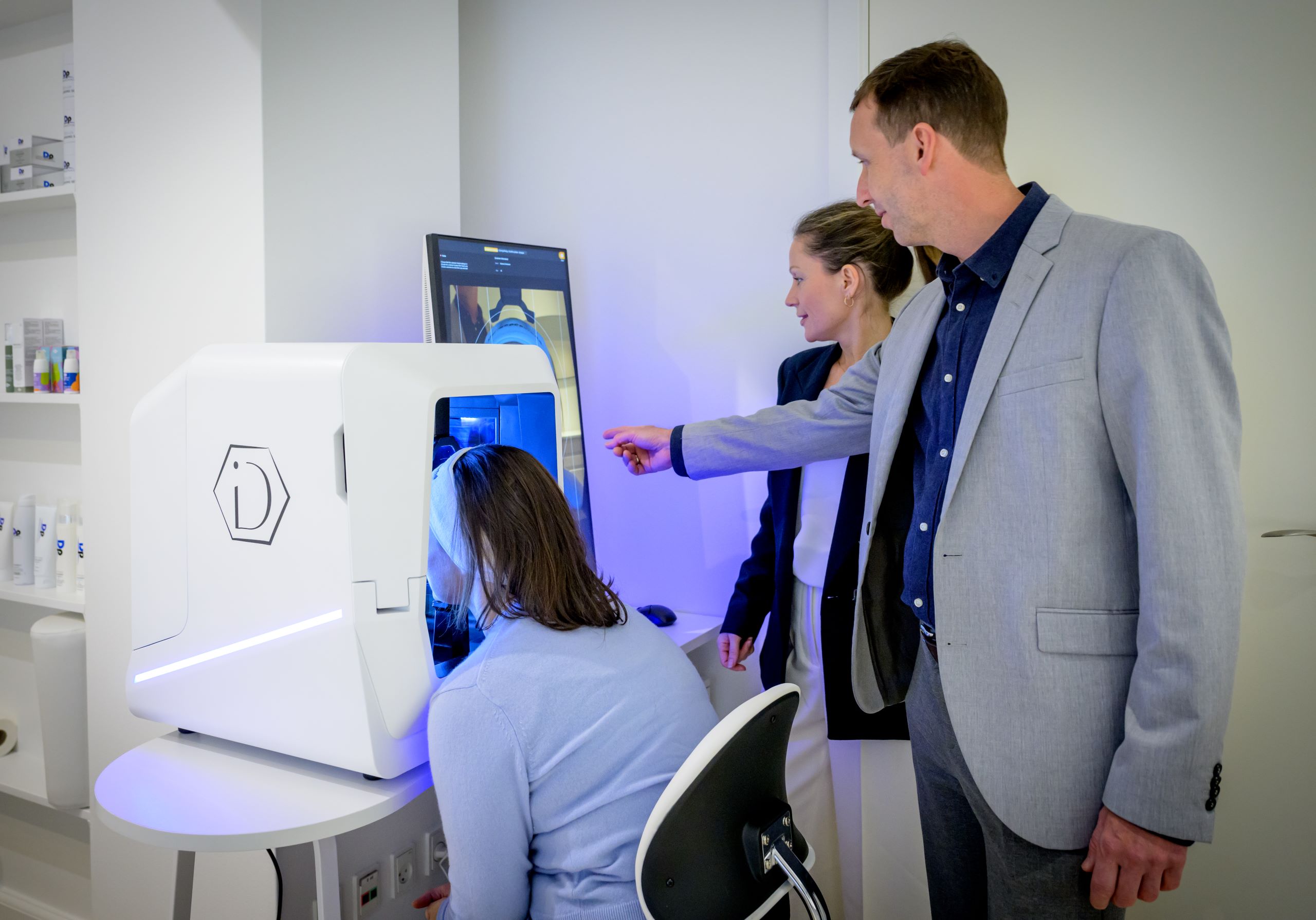
Visit InnoDema to try a treatment
for Patients & Professionals
- We offer skin analysis and trial treatments and inclusion in our research projects on a regular basis
- For professionals we offer an opportunity to experience and learn more about the treatments
- Learn how we approach Hair Restoration and improvement of hair and scalp health
Find a clinic
Professional care, close to you
for Patients
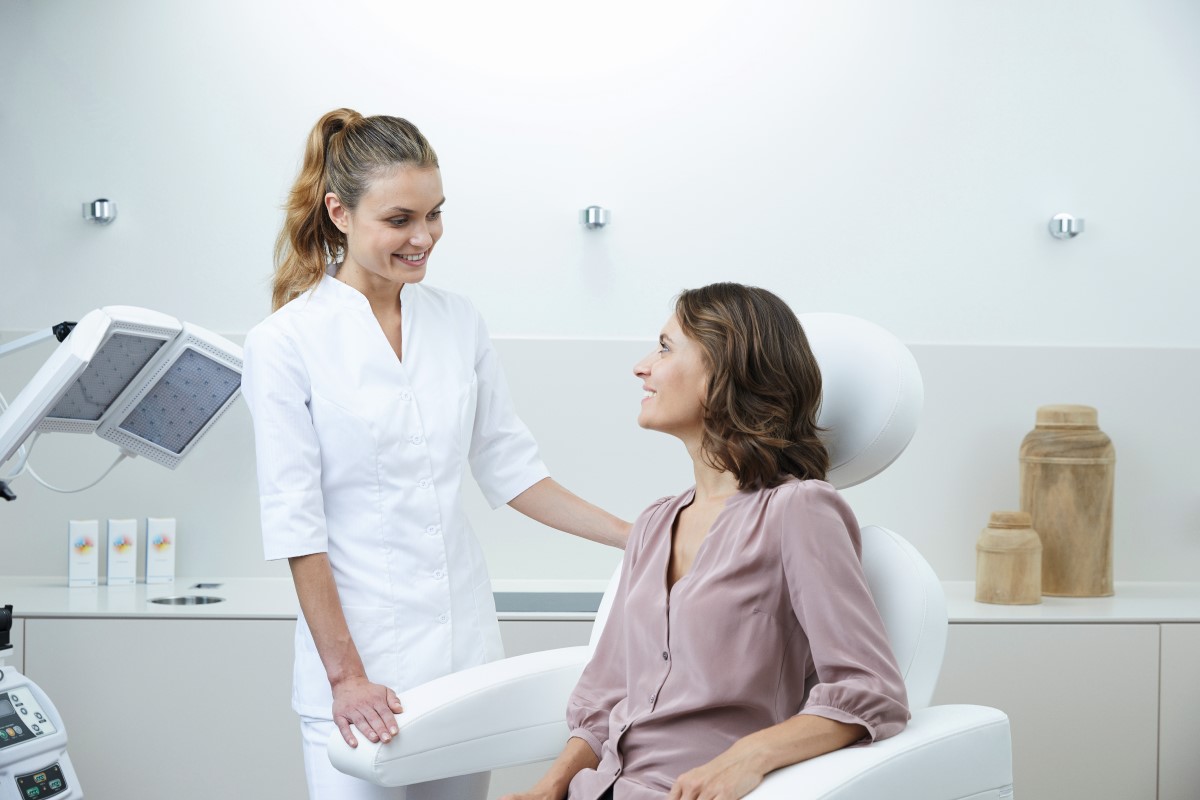
- SkinMed Solutions works with selected clinics that use evidence-based technologies and structured treatment approaches for inflammatory and sensitive skin.
- Find your clinic in Denmark, Norway, Sweden, Finland or Switzerland

Be our Partner
Evidence-based care for your clinic
for Professionals
- SkinMed Solutions supports clinics with medically approved technologies and expert-led education
- Reach out for an assessment and dicussion
- Together we evaluate what may fit your clinic setting
FAQ
Here a curated list of some of the most common questions – do not hesitate to contact us for further information or questions that you may have
Hair thinning is rarely caused by a single factor. It is often influenced by a combination of genetic predisposition, hormonal changes, inflammation, reduced microcirculation, metabolic stress and changes in the scalp microenvironment. These factors can disrupt the normal hair growth cycle and reduce follicular activity over time.
No. Hair thinning and hair loss reflect underlying biological changes in the scalp and hair follicles. Alterations in blood supply, inflammatory signaling, extracellular matrix support and follicular stem cell activity all play a role. Addressing hair loss therefore requires a biological and regenerative approach rather than purely cosmetic solution
Yes. Non-invasive and minimally invasive treatments can support hair and scalp health by improving follicular conditions, microcirculation and cellular signaling. These approaches do not force hair growth, but aim to restore an environment in which hair follicles can function more optimally over time.
Low-level light therapy can support mitochondrial activity, microcirculation and cellular communication in the scalp. When applied correctly, light-based treatments such as Celluma are used to support follicular activity and scalp balance, often as part of a structured and repeated treatment plan.
Microneedling of the scalp provides controlled mechanical stimulation that can activate repair pathways and improve tissue responsiveness around hair follicles. When combined with hair-specific exosomes, this approach supports cellular communication and regenerative signaling within the follicular microenvironment. The intent is to support follicle function, not to override natural biology.
Bioregenerative injectables, such as Cellbooster HAIR, are used to support scalp tissue quality, hydration and the biological surroundings of the hair follicle. They do not act as fillers or direct growth stimulants, but aim to improve the conditions that support healthier hair growth over time.
Yes. The technologies used for hair and scalp health are selected with tolerance and repeatability in mind. Treatments are adapted to scalp condition and sensitivity, making them suitable for many patients who do not tolerate aggressive or invasive interventions.
Hair regeneration typically benefits from a combination of approaches. Treatments may be used to prepare the scalp, activate follicular biology and maintain results over time. The sequence and combination of therapies are often more important than the intensity of any single treatment.
Hair and scalp regeneration is a gradual process. Most approaches involve a structured course of treatments followed by maintenance sessions. The number and frequency of treatments depend on individual factors such as hair loss pattern, scalp condition and biological response.
Yes. All technologies mentioned are medical-grade and CE-marked according to their intended use. Treatments are applied in accordance with regulatory frameworks and clinical best practices.
Certain Celluma Models (incl RESTORE and NOVA) are medical approved as Class IIa medical devices for use in hair restoration of people with androgenic alopecia
Hair and scalp treatments are offered through selected professional clinics working with SkinMed Solutions across Denmark, Sweden, Norway, Finland and Switzerland. Treatments may also be performed at InnoDerma Institute, which serves as a research and reference clinic.
Celluma Restore program can be utilized as a home treatment as well
Outcomes vary between individuals. These treatments aim to support hair quality, reduce shedding and improve follicular conditions over time. Realistic expectations, proper patient selection and continuity of care are essential for meaningful and sustainable results.
LEARN MORE
SkinMed Solutions works with selected professional clinics across the Nordics and Switzerland,
applying evidence-based approaches to hair and scalp health in clinical practice.
 English